

What a loooooooooooooooooooooong earnings call. I guess lunch break isn’t the only thing that the French stretch to two hours.

By accessing this content, you acknowledge and agree to our terms and conditions. This research is not financial advice.
Contents
Headline Numbers and Press Release
Memory Downturn
Price Action
Capex, Working Capital, and Cash Flow
Capacity and Contribution Margin
Physical AI
Photonics
Overall Thoughts (and My Positioning)
Headline Numbers and Press Release
First, the press release.
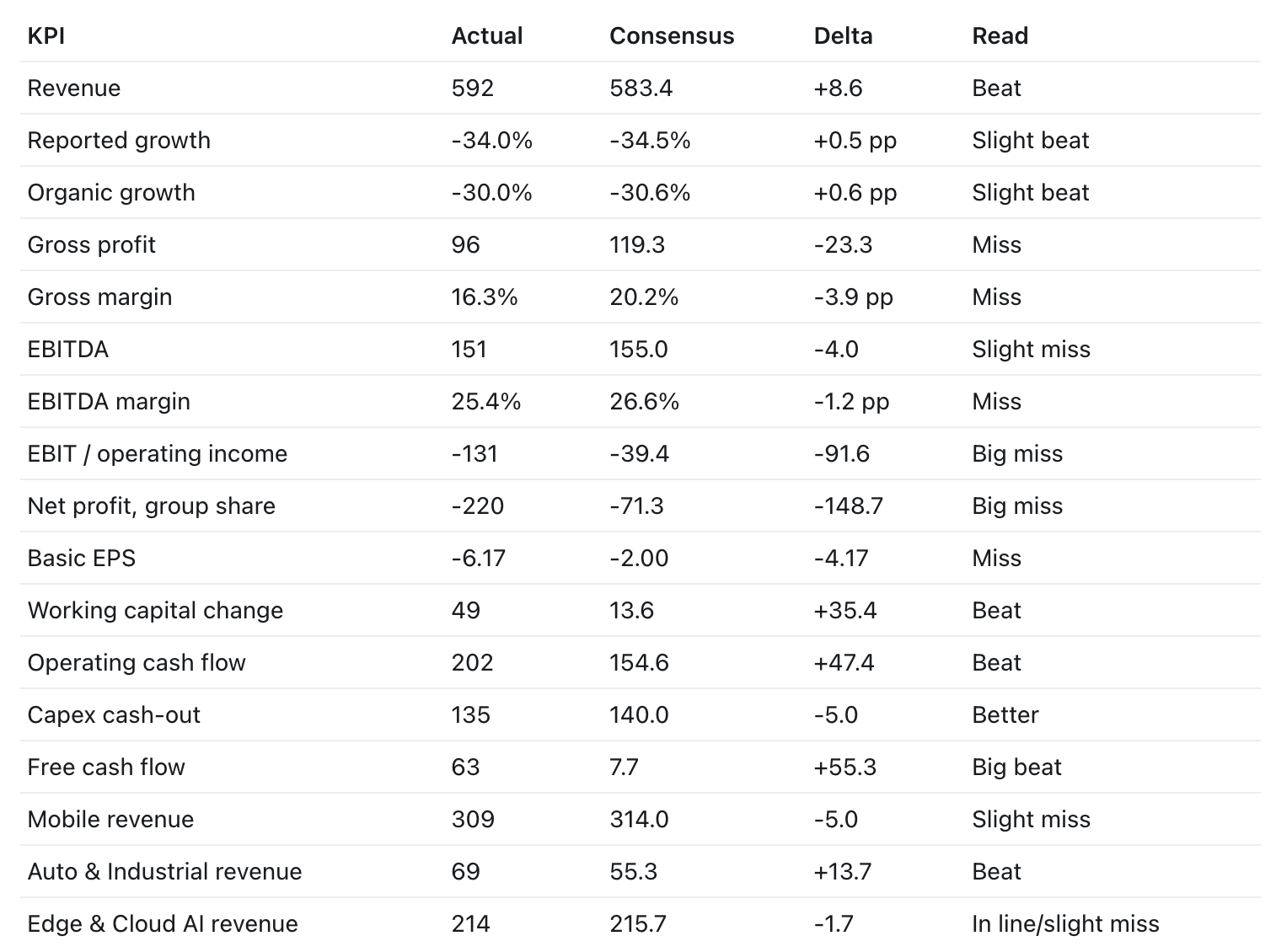
Revenue massively beat, however gross margin massively missed, and so did EBITDA margin, EBIT, and net income. Oh god. However, cash flow generation beat massively. Overall, just very confusing, but it makes a lot more sense once you actually listen to the call.

Big beat in Auto and Industrial??
Price Action
The stock reacted positively, but I am extremely, extremely certain that the price action today is actually quite low signal because a whole bunch of hedgies were short this thing, expecting management to kitchen sink it and absolutely rug pull the guidance due to the whole mobile memory situation.
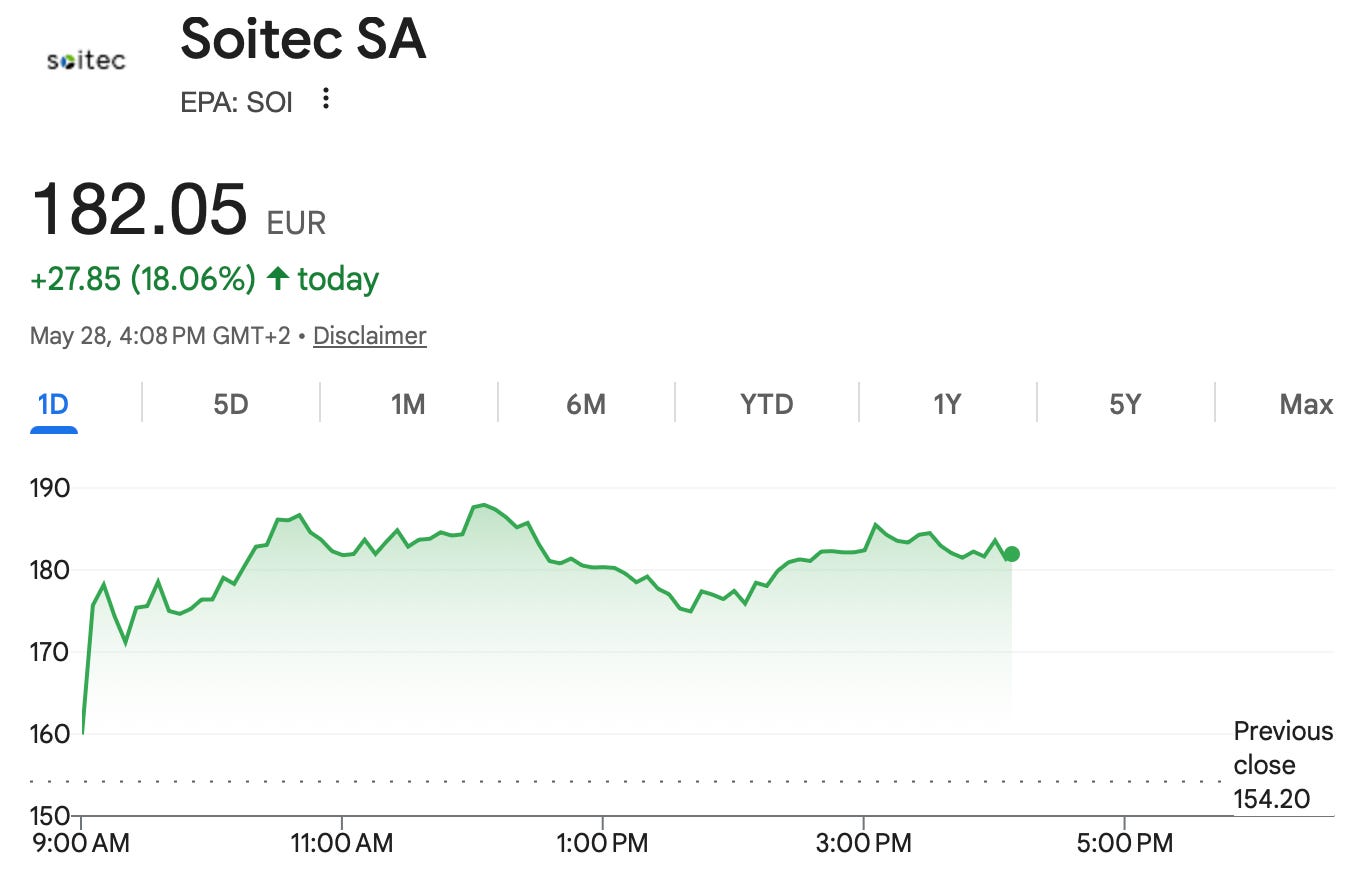
And then they ended up not rug-pulling it as much as they think, so shorts covering it like crazy. I honestly think it had nothing to do with photonics. Believe it or not. Funny enough. And the stuff they said about photonics is mostly confirmation, clarification, and realization of things that we already know.

This article was actually vindicated down to every last word. Now I can say I told you so.
Memory Downturn
Overall, their starting tone was “patient guys, we are still in recovery mode,” near the beginning. Throughout the length of this two-hour long-ahh call, it slowly turned more positive and more forward-looking.
But surprisingly, I heard very little of memory itself, surprisingly little, which is… good? I mean, I guess people thought the BOM pressure would be a lot worse than it actually was.
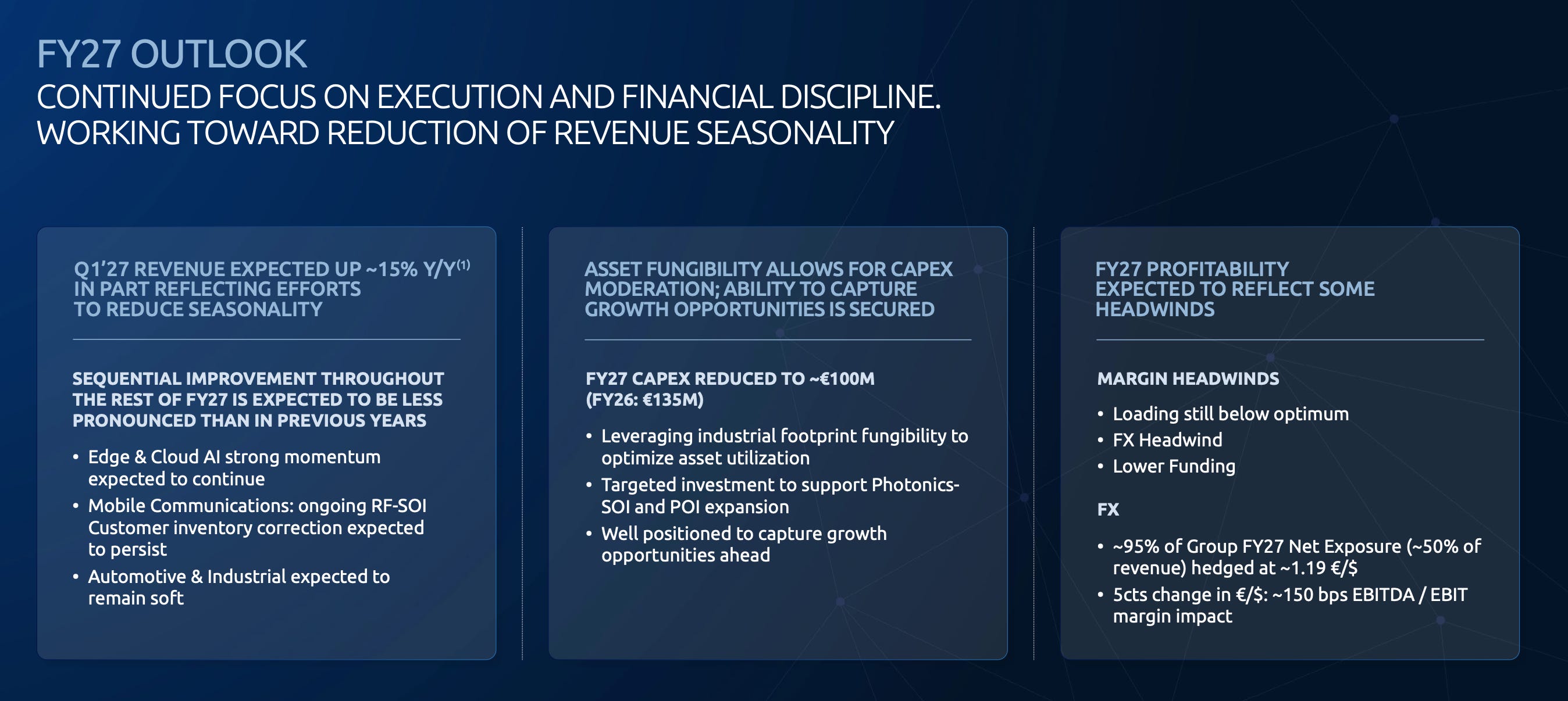
Now turning to the outlook. This doesn’t seem too bad. Low key, I don’t really care about mobile, like, at all. But sequential improvements? Proven improvement being less pronounced than previous years isn’t “the market is literally crashing because of memory and we’re going bankrupt.” So I guess the short sellers have nothing to short anymore!
Capex, Working Capital, and Cash Flow
Apparently, the French are very good at working capital management.
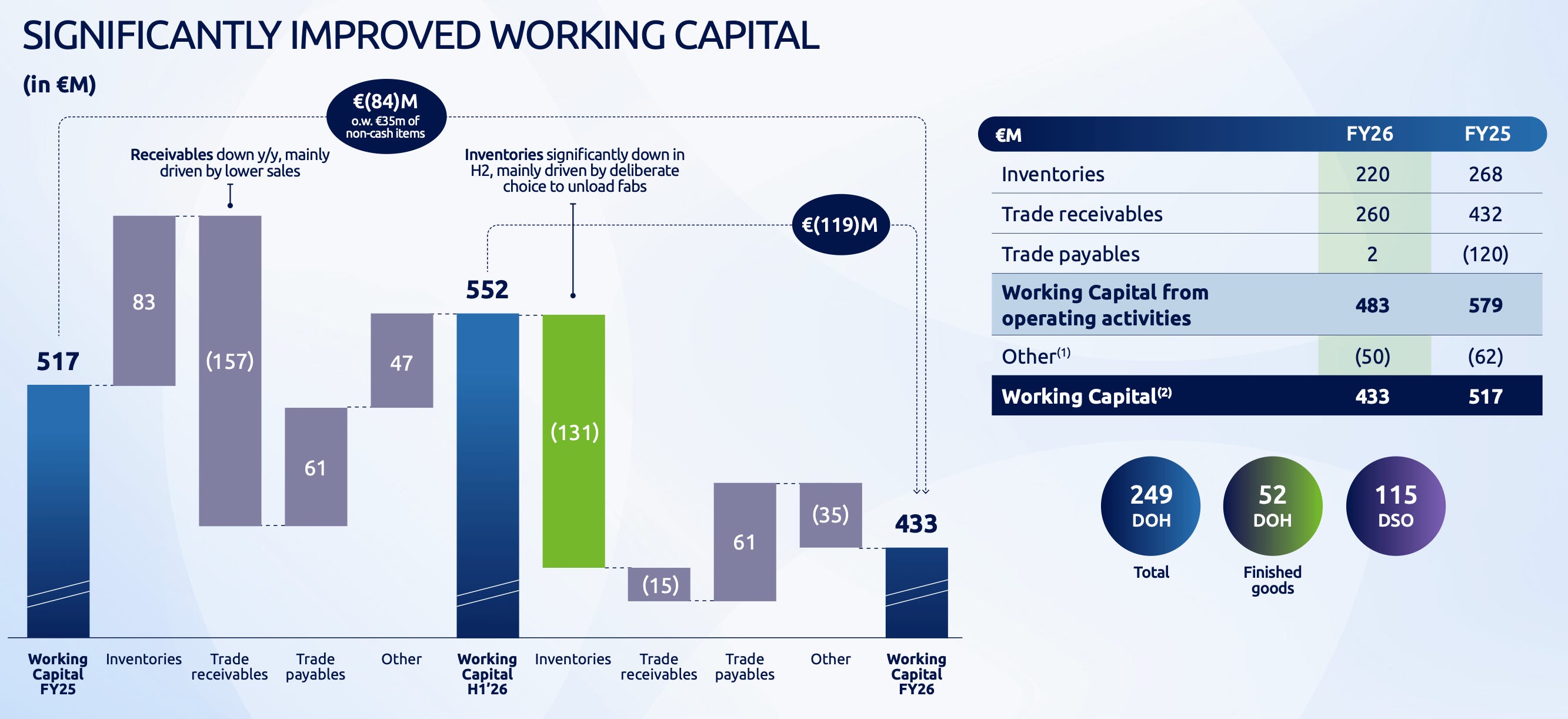
If you hated working capital and whatnot from learning accounting, I am with you. I generally don’t really give a shit, since stocks are forward-looking, but in this case they did so much working capital management that they flipped free cash flow insanely positive so we actually need to talk about it.
Working capital is basically all of the capital tied up in temporary, nonpermanent assets like inventory, accounts receivables, etc.
Anyways, the gist of it is that they unloaded their inventories like crazy to clear working capital and generate cash so that they can, you know, invest in stuff.
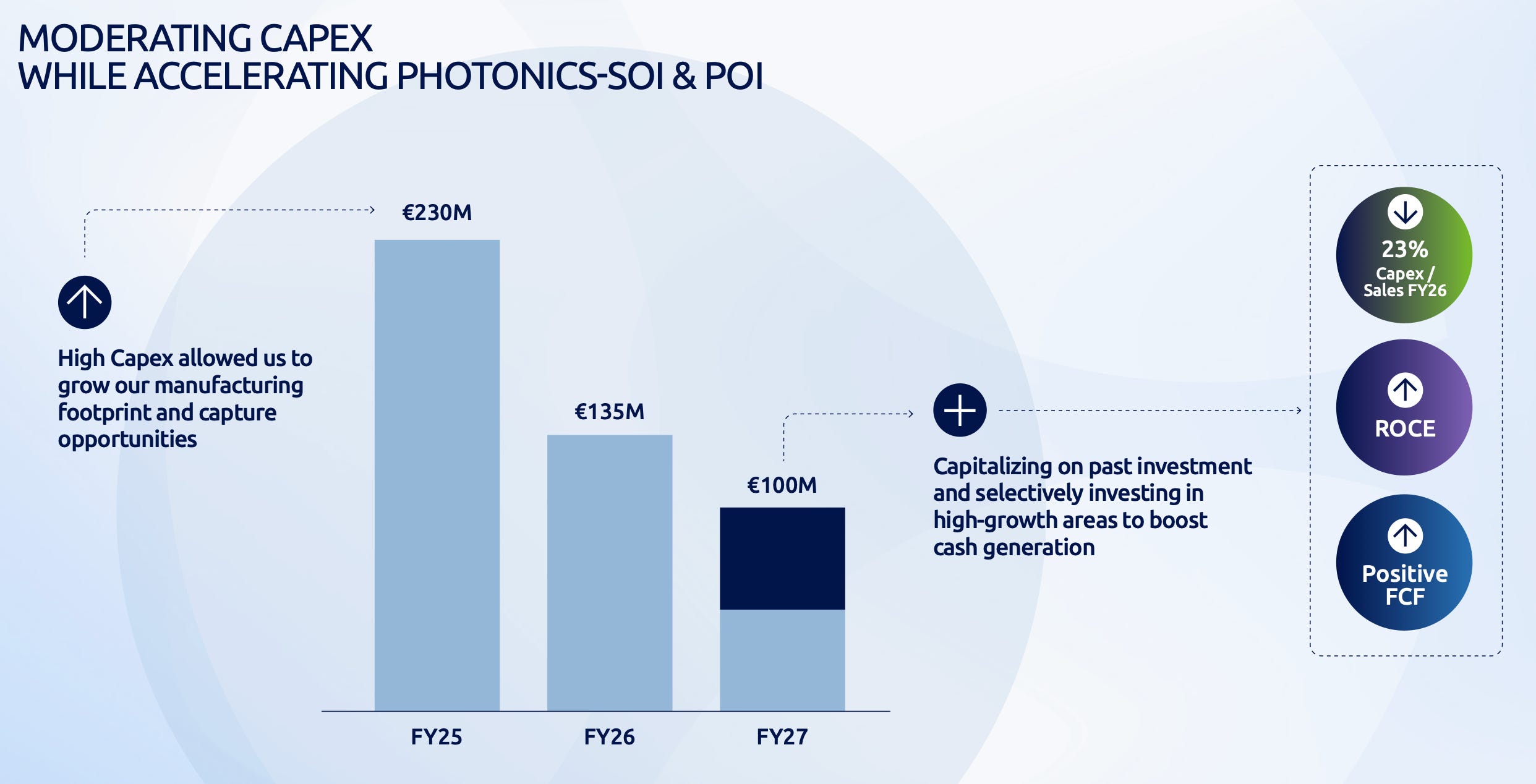
And then on CapEx, they did a lot of good stuff here too, reducing CapEx overall and then redirecting it towards photonics, which is exactly the right thing to do. Very good job.
Capacity and Contribution Margin
One of the main claims in my original thesis was that their capacity is fungible. That means that their stupid RF overbuild, which they got bitch-slapped by memory for, is now going to be a tailwind, Citrini supply-chain-inheritance style.
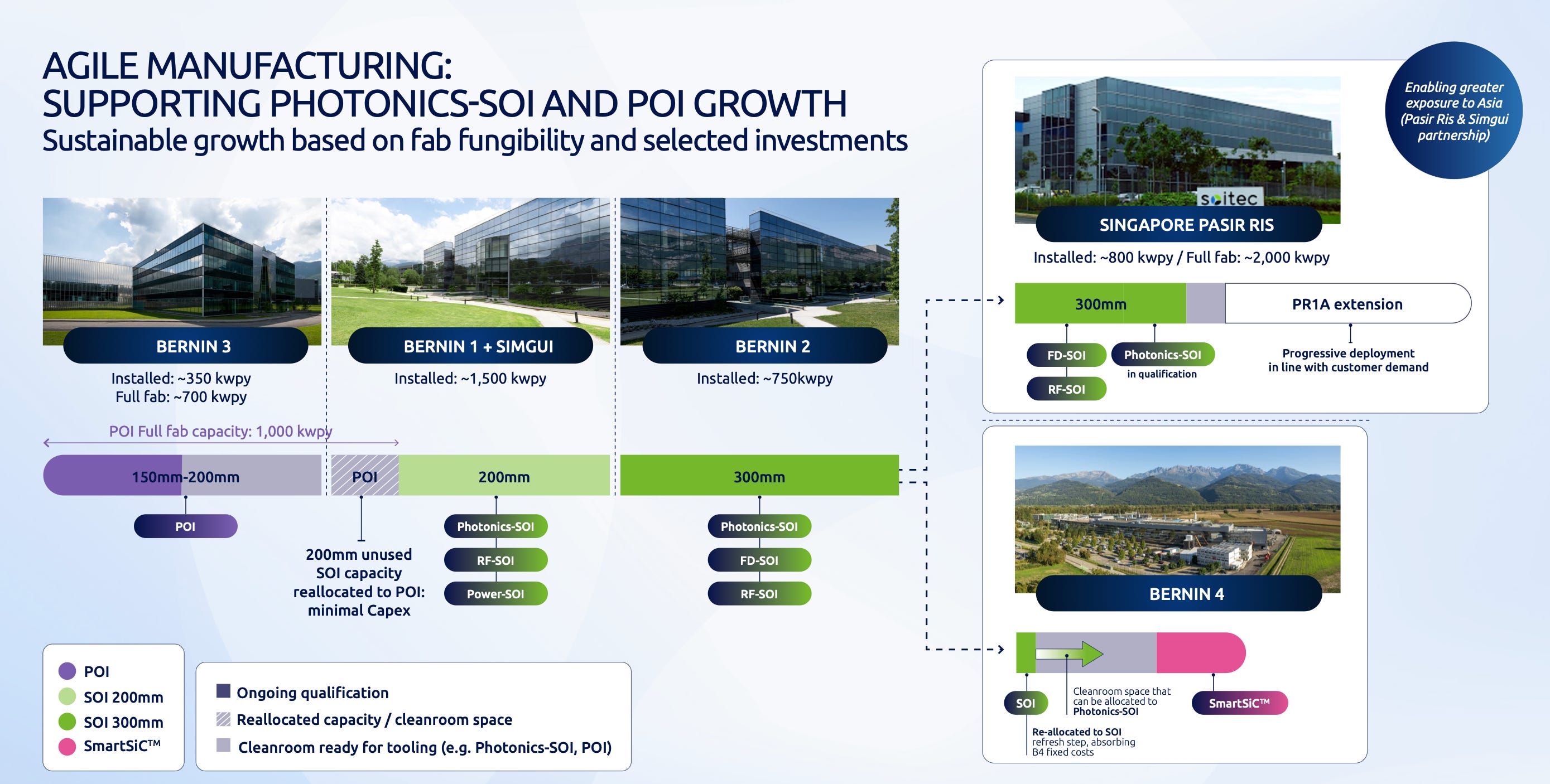
And today, we get a whole slide about it, with plans for each fab! That’s pretty neat.
They also clarified their contribution margin economics. Incremental revenue contribution margin is currently 60% because of how underutilized it is, but gets closer to 50% in equilibrium. They specifically said that EUR 100m of revenue contributes EUR 50m of gross margin, which is actually exactly as I modeled. Nothing new there.
Physical AI
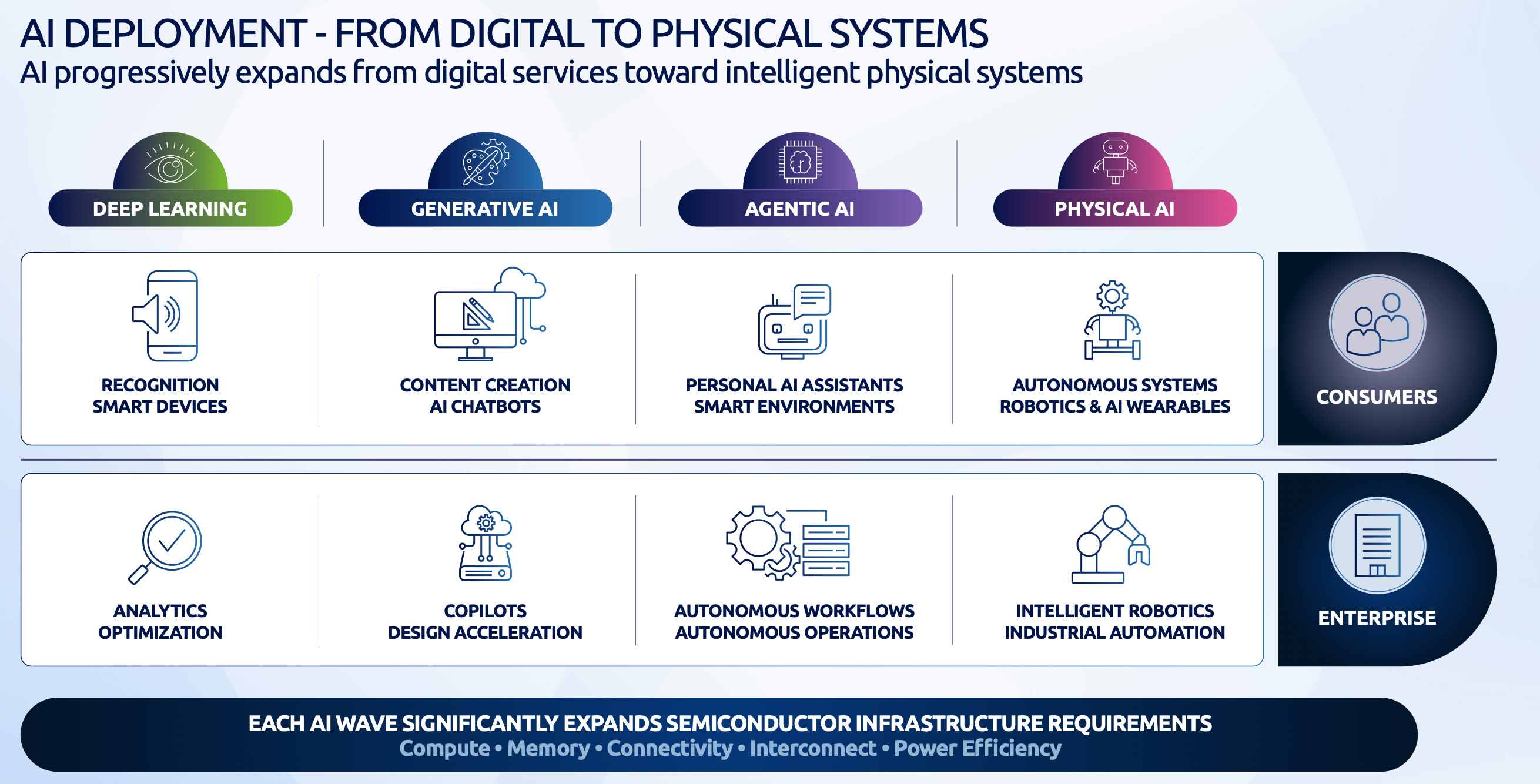
One of the most interesting things that I noticed from this call is actually their focus on physical AI. I was expecting photonics to get 100% air time today, but instead photonics got like 60% air time while physical AI got a surprising 40% (not real numbers, of course).
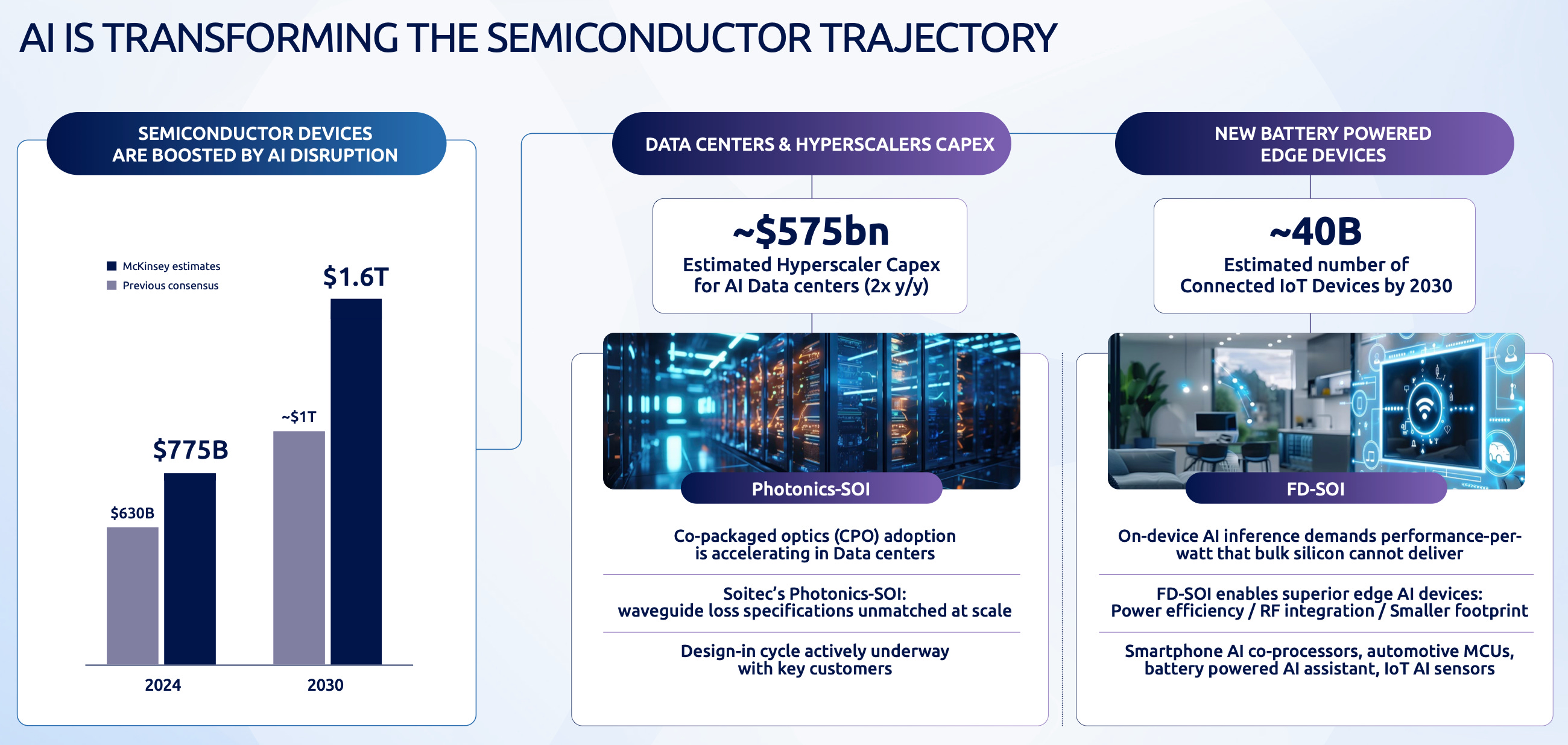
FD-SOI for robotics is actually very interesting because always-on devices or robots need very low power consumption.
And they pitched physical AI as the end state of AI after agentic.
Photonics
Now, on to the meat of this call, photonics. First is that they passed $100M of photonics revenue in FY26, perfectly matching the guidance that they gave in the past.
They did say that demand has reflected sharply since March. Now they have a lot more visibility, and they changed their guide from growing 20 to 30% year over year (which is laughably low) to “something above 30%.” But okay, come on, we obviously know that it’s way above that. It instead should be 50 to 100%, but it will take these conservative French folk a while to update their priors on AI growth.
They talked a lot about their photonics moat today, and, like I said in this piece, I would not fade them on this at all.

They have a practical monopoly (~95% share) on photonics SOI, almost as strong as Aixtron’s monopoly on InP MOCVD.
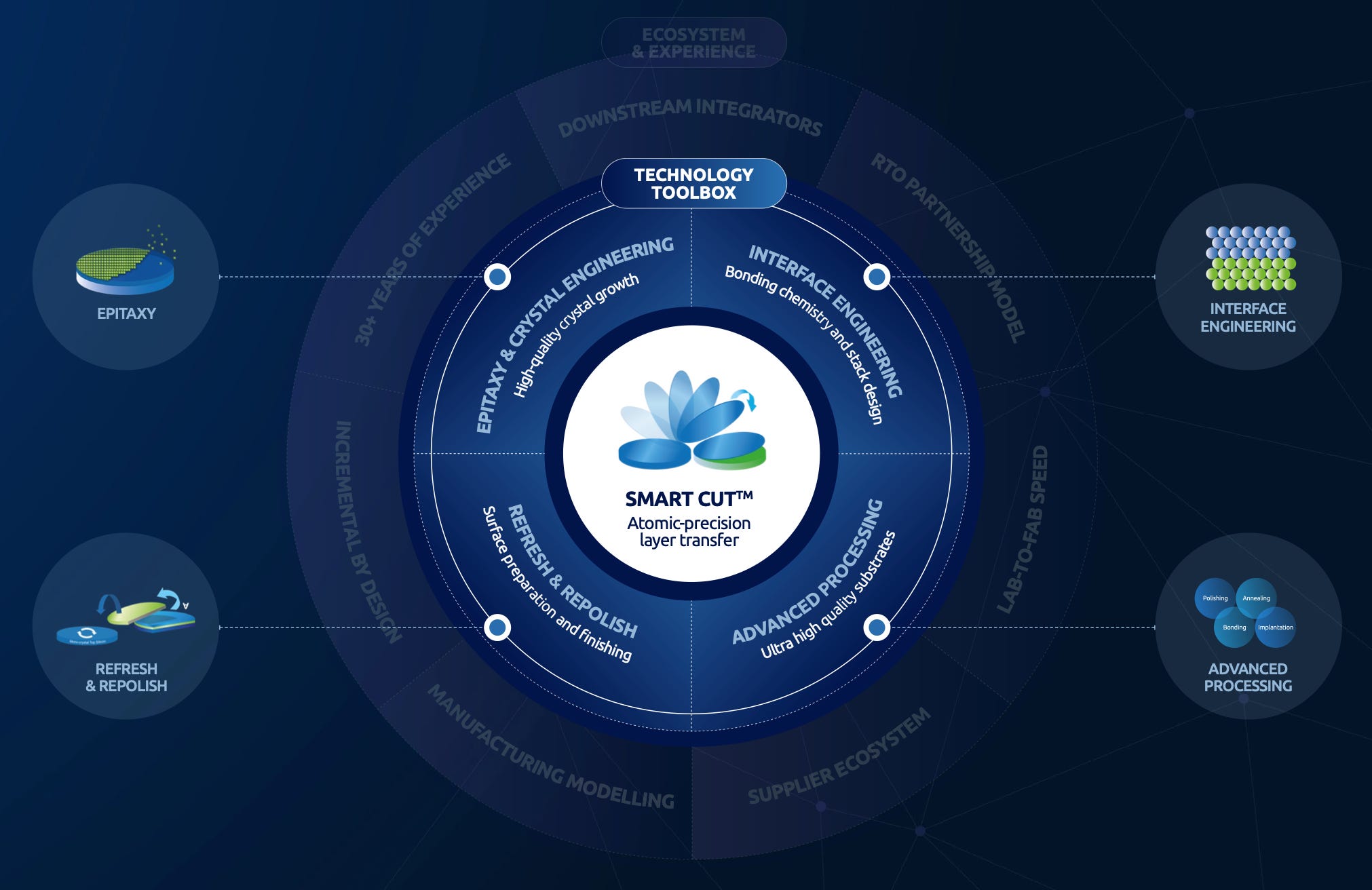
Actively renewing 4,800 patterns with decades of process learning across crystal engineering, interface engineering, refresh and repolish, and advanced processing. Photonics is much harder than regular SOI and requires precision in defects, human formity, and roughness, again just like I said in my article.
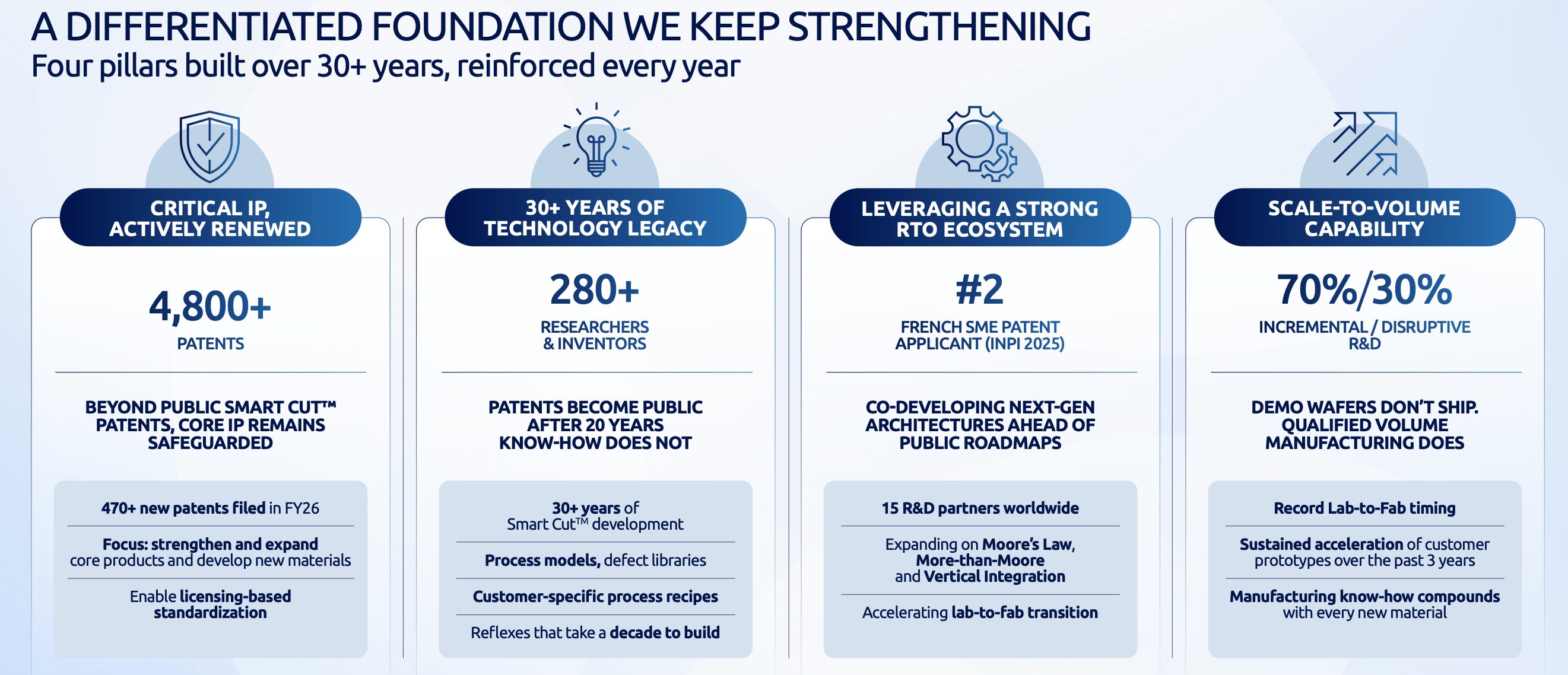
They were asked about competition and potential replacements, and their answer was pretty good. They said that there will be competition, but reinforced all of Soitec’s advantages. I am not at all concerned about competition for them.
They were also asked about TFLN and replacement potential for silicon photonics, as silicon photonics does not have the modulation speed required for higher data rates. However, they clarified that InP and TFLN are the same thing, and they have already highlighted InP as one of their key future investment areas. Also, TFLN and silicon photonics are complementary. You can add this material on top of an SOI wafer, so in reality it’s not a concern at all.
In terms of visibility, they said that there is visibility even in the long term, but what they want is for customers to have “skin in the game,” AKA prepayments. I’m not sure why they want prepayments so badly, given that they already have the capacity, but I think that, just like with Aixtron, these Europeans who went through a cyclical downturn are really conservative. I think that’s the reason why their guidance has been so low in the past.
They were also asked a few questions on CPO, which I had high hopes for but really didn’t get much out of it. Mostly clarifying that no, they are separate, that CPO is used for scale up, and they won’t really cannibalize each other, which is stuff that we already know. I was hoping for some clarity on potential mix of CPO once the technology matures so I can get a sense of how strong CPO SOI content is compared to transceivers, but we didn’t get that, unfortunately.
Finally, they had a comment on pricing dynamics, where the profitability of photonics is much better, and it’s very clear that when they shift the mix to photonics, they improve the bottom line. They have a firmer hand in pricing than they did in their other end markets, which is again something we already know, but it’s good that they are reinforcing it.
Overall Thoughts
I have a few thoughts here, but my main conclusion is that this is pretty positive. Not enough to convince me to get back in (yet), but still positive.
I can yap all I want about thesis confirmation, yada yada yada, but that would just be some AI-like slop. I’m just going to say that, to me, what is new here is really hearing management talk in this post-CFO inflection era and getting to know them better. I really like the team. They are very conservative. They’re very prudent, and they seem to be very good at what they do. That, to me, is the biggest incremental new information.
On top of that, robotics may surprise us in the future, but it’s not something that will move their valuation anytime soon. The story is still photonics.
The reason I’m not getting back in is I still don’t have clarity on their unit economics for CPO. This is too expensive to just trade off of transceivers (which is the same for basically every optics name today. You absolutely need CPO).
I am very confident that InP demand will explode with CPO, but less confident about SiPho demand. That’s why I prefer LITE and AIXA (and you could even argue AXTI) because it’s very clear that InP demand is way higher per UHP laser than per EML or low power CW. And this means aggregate InP demand for CPO will be much higher than for pluggables.
But will CPO as a paradigm use SiPho more or less intensely than 1.6T (SiPho-loving generation) transceivers? I don’t know yet.
When do you think you will issue your first deep-dive writeup on humanoid/robotics?
Soy's power semis angle could be the next story? As SmartSiC will benefit from the ramp of 200mm SiC at STM. Too bad it's not a separate businessline, it's embedded in the EV business that people don't care.